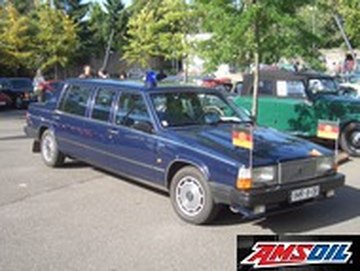
Lubrication Maintenance for the 1982 Volvo GLE 2.8L
Maintaining a vehicle of this era requires a proactive approach to fluid management and mechanical inspection. For the 1982 Volvo GLE equipped with the 2.8L B28F engine, consistent attention to lubrication systems is a fundamental aspect of long-term ownership. Because older engines operate under different thermal and mechanical stresses than modern counterparts, understanding how to monitor and maintain your lubricant is essential for preserving engine health.
Monitoring Fluid Integrity and Consumption
One of the most effective ways to gauge the condition of an engine is through regular observation of its fluids. For a vehicle from 1982, monitoring the level and appearance of the engine oil can provide significant insight into how the internal components are performing. It is helpful to check the oil level periodically using the dipstick to ensure that consumption levels remain within a normal range.
When inspecting the oil, look for changes in its physical properties. If the lubricant appears excessively dark, gritty, or has a strong odor of fuel, it may indicate that the oil is reaching the end of its effective service life or that combustion byproducts are entering the crankcase. Such observations warrant a closer look at the vehicle's overall maintenance history and current operating conditions. Additionally, any sudden increase in the frequency of top-offs should be investigated to determine if there is an underlying cause for the loss of fluid.
Observing Potential Warning Signs
While many mechanical issues develop gradually, certain symptoms can serve as early indicators that a lubrication or cooling system requires attention. It is important to remember that symptoms can have multiple causes and should be treated as a prompt for professional diagnosis rather than a definitive conclusion of a specific part failure.
- Visible Seepage: Inspect the area around the engine block and various sealing surfaces for signs of fluid leakage. Even small amounts of seepage can eventually lead to significant fluid loss if left unaddressed.
- Unusual Noises: Any new or changing mechanical sounds during startup or operation should be noted. While not always directly related to oil, changes in engine acoustics can sometimes coincide with lubrication issues.
- Exhaust Observations: Changes in the color or consistency of exhaust gases may indicate that something is entering the combustion process. If you notice unusual smoke, it is advisable to have the engine inspected.
- Temperature Fluctuations: Keep a close eye on the vehicle's temperature gauges. While oil plays a role in heat management, any evidence of overheating should be investigated immediately to prevent damage to various engine components.
Prioritizing Long-Term Engine Care
As a vehicle ages, the strategy for maintenance often shifts from simple part replacement to more comprehensive condition monitoring. For owners of a 1982 Volvo GLE, establishing a baseline of how the vehicle performs under normal conditions is highly beneficial. If you do not have a complete service history, performing a thorough inspection of all fluids and accessible components can help create this baseline.
When deciding which maintenance tasks to prioritize, focus on active concerns. Addressing an existing leak or investigating a change in fluid color is more critical than following a generic schedule based solely on the age of the vehicle. By focusing on the actual condition of the engine and its components, you can make more informed decisions about whether to perform preventive maintenance or address specific mechanical needs. Keeping detailed records of every oil change, filter replacement, and observed leak will assist in identifying patterns over time, which is invaluable for long-term preservation.
Inspecting Aging Components and Seals
Over several decades, various materials used in engine construction can undergo changes due to heat cycles and age. When performing routine service on the 2.8L B28F engine, it is practical to inspect various gaskets and seals for signs of age-related seepage. While a small amount of "sweating" on an older engine may be expected, active leaks that result in dripping or significant fluid loss should be addressed.
Beyond the lubrication system, other components should be part of your periodic inspection routine. If equipped, check accessible drive belts for signs of cracking, glazing, or fraying. Similarly, inspect any visible hoses for signs of brittleness, swelling, or leaks. Ensuring that electrical connections are clean and secure can also prevent various operational inconsistencies. By combining these visual checks with regular fluid monitoring, you create a comprehensive oversight system for the vehicle's mechanical health.
Effective Maintenance Record Keeping
For an older vehicle like this Volvo, documentation is one of the most powerful tools available to an owner. A well-maintained logbook that tracks the dates and details of every service—including oil changes, filter replacements, and any repairs performed—provides a clear picture of the engine's lifecycle. This history is particularly useful when attempting to diagnose new symptoms, as it allows you to see if a problem is truly new or a recurring issue.
Furthermore, having a record of what specific products were used (such as oil types and filter part numbers) ensures consistency in future service. If you ever decide to sell the vehicle, a documented history of consistent maintenance can be a significant indicator of how well the engine has been cared for throughout its life.
Practical Guidance for Buying Engine Oil for your 1982 Volvo GLE 2.8L
When it is time to replenish your engine's lubricant, accuracy in selection is paramount. To ensure the continued health of your B28F engine, you must match the oil to the specific application requirements provided by the technical data on this page. Do not rely on general automotive knowledge or assumptions based on the vehicle's age to select a viscosity grade.
Before making a purchase, follow these steps:
- Verify Viscosity: Match the engine oil to the application-specific viscosity information already displayed in the technical specifications above.
- Check API Certification: Ensure that any oil you purchase carries a current and appropriate API certification to guarantee it meets modern standards for detergent and anti-wear properties.
- Consider Formulations: Depending on your engine's current condition, you may choose between conventional, synthetic blend, or full synthetic oils. Some high-mileage formulations also contain additives intended for use in aging engines, including seal-conditioning additives that may be beneficial for older seals.
- Inspect the Label: Always double-check the product packaging against the requirements listed on this webpage to confirm you are using the correct lubricant for your specific 1982 Volvo GLE 2.8L application.